以下は、リサイクル事業の対象を拡張した完全版です。
ご要望どおり 産業廃棄物・医療ごみ・有害ごみ(廃棄バッテリー)・銅線・海洋ごみ・プラスチック・PCB を追加し、
「何を収集するか/なぜ行うか」が一目で分かる形で
日本語・英語・タイ語でまとめています。
(自治体・政府・投資家・取引先向けにそのまま使用可)
リサイクル事業(Recycling Business)拡張版
① 収集・取扱対象(Products & Materials Collected)
日本語
Blue Earth のリサイクル事業は、環境負荷が高く、適正管理が求められる廃棄物を中心に、
安全な収集・管理・再資源化を行います。
主な収集・取扱品目
産業廃棄物
製造工程から発生する可燃・不燃・混合廃棄物
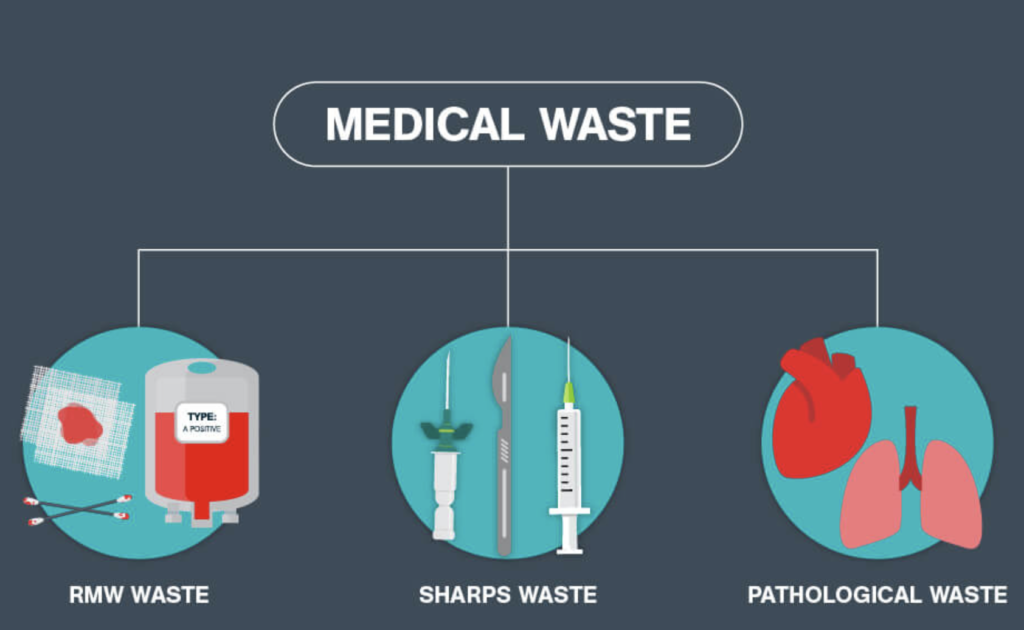
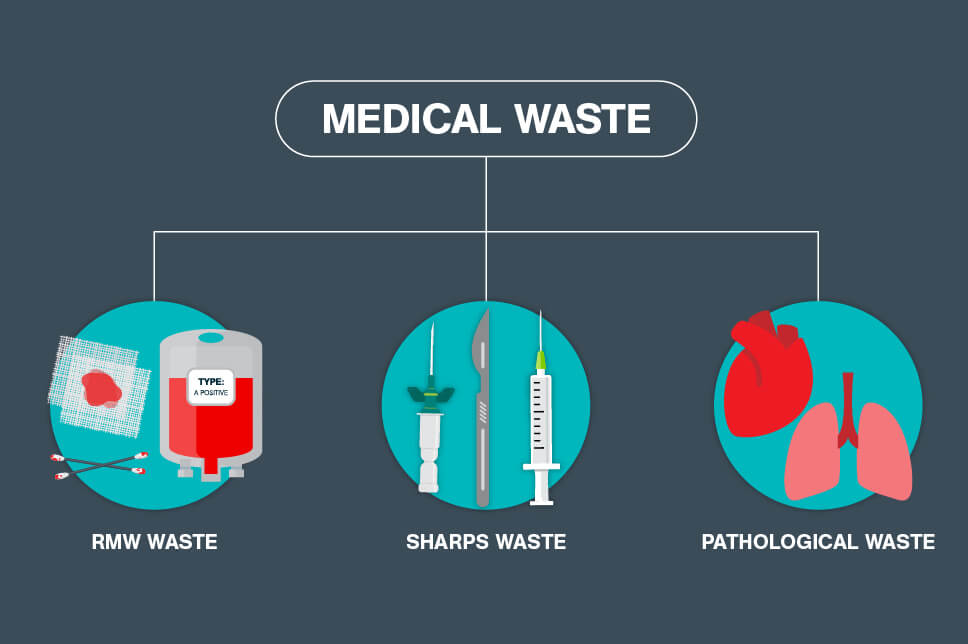
医療ごみ(感染性廃棄物)
病院・診療所・検査機関から発生する感染リスク廃棄物
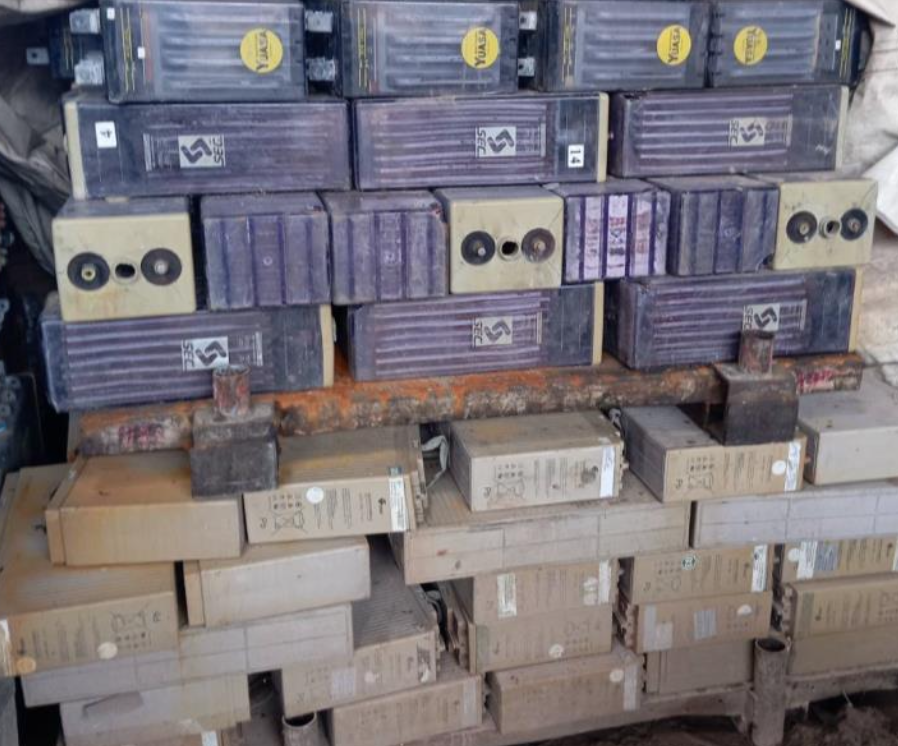
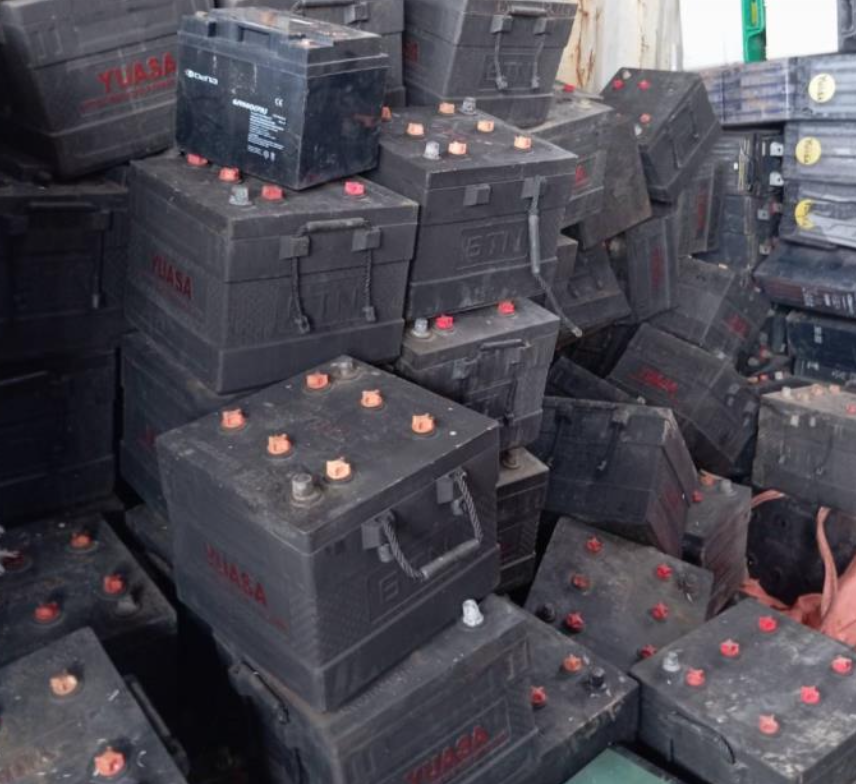
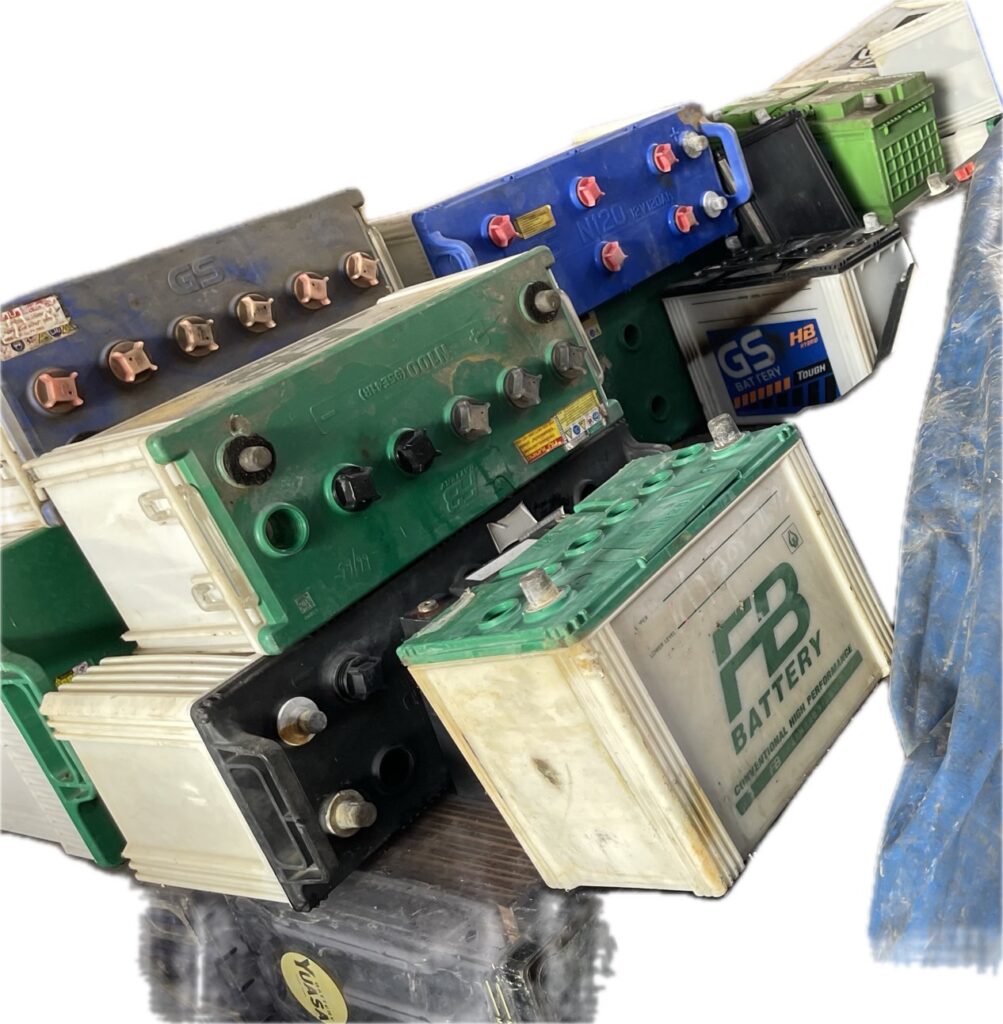
有害ごみ(廃棄バッテリー)
鉛・リチウム・ニッケル系などの使用済みバッテリー
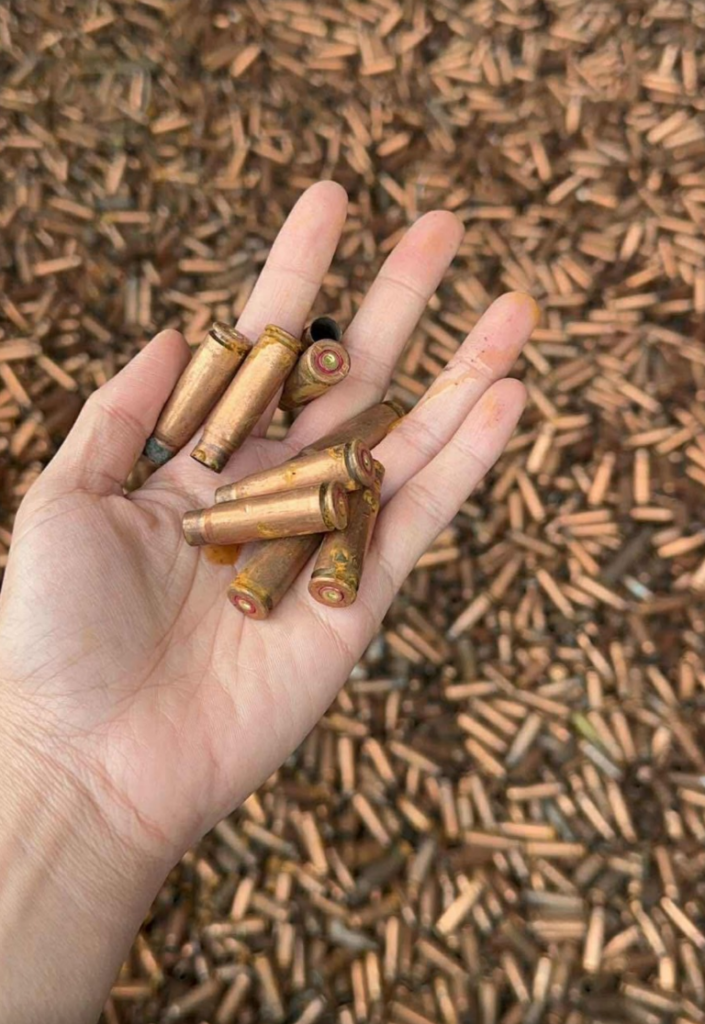
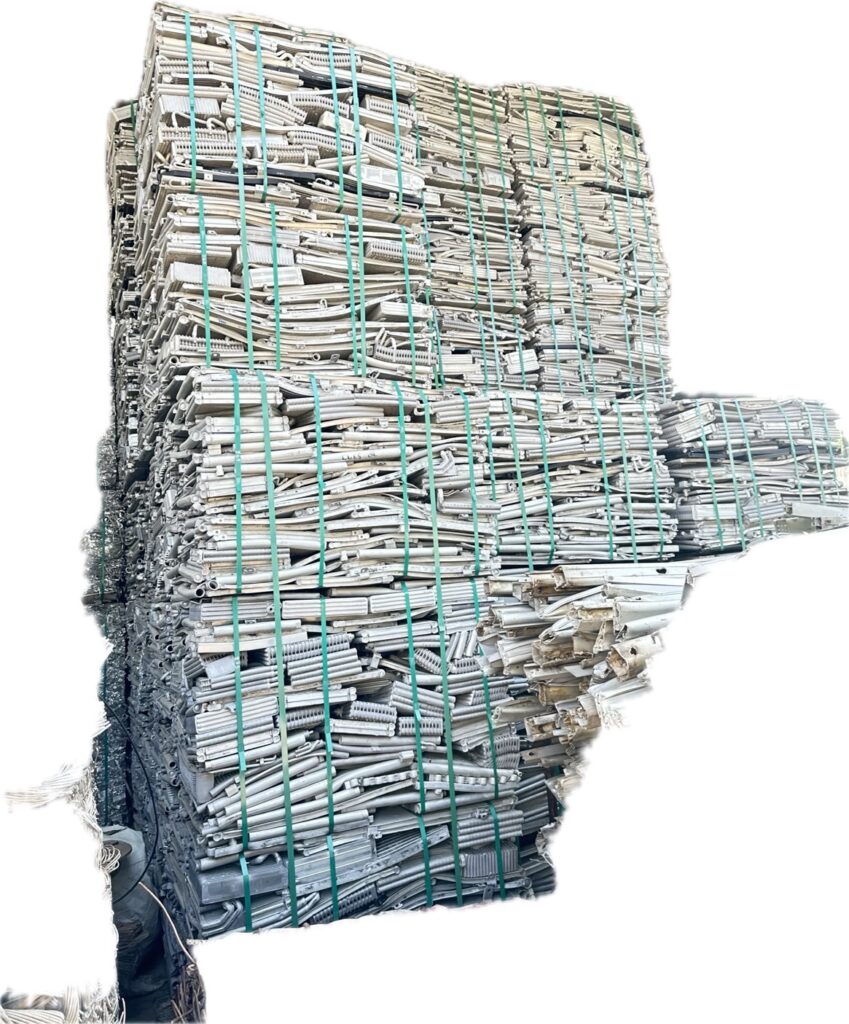
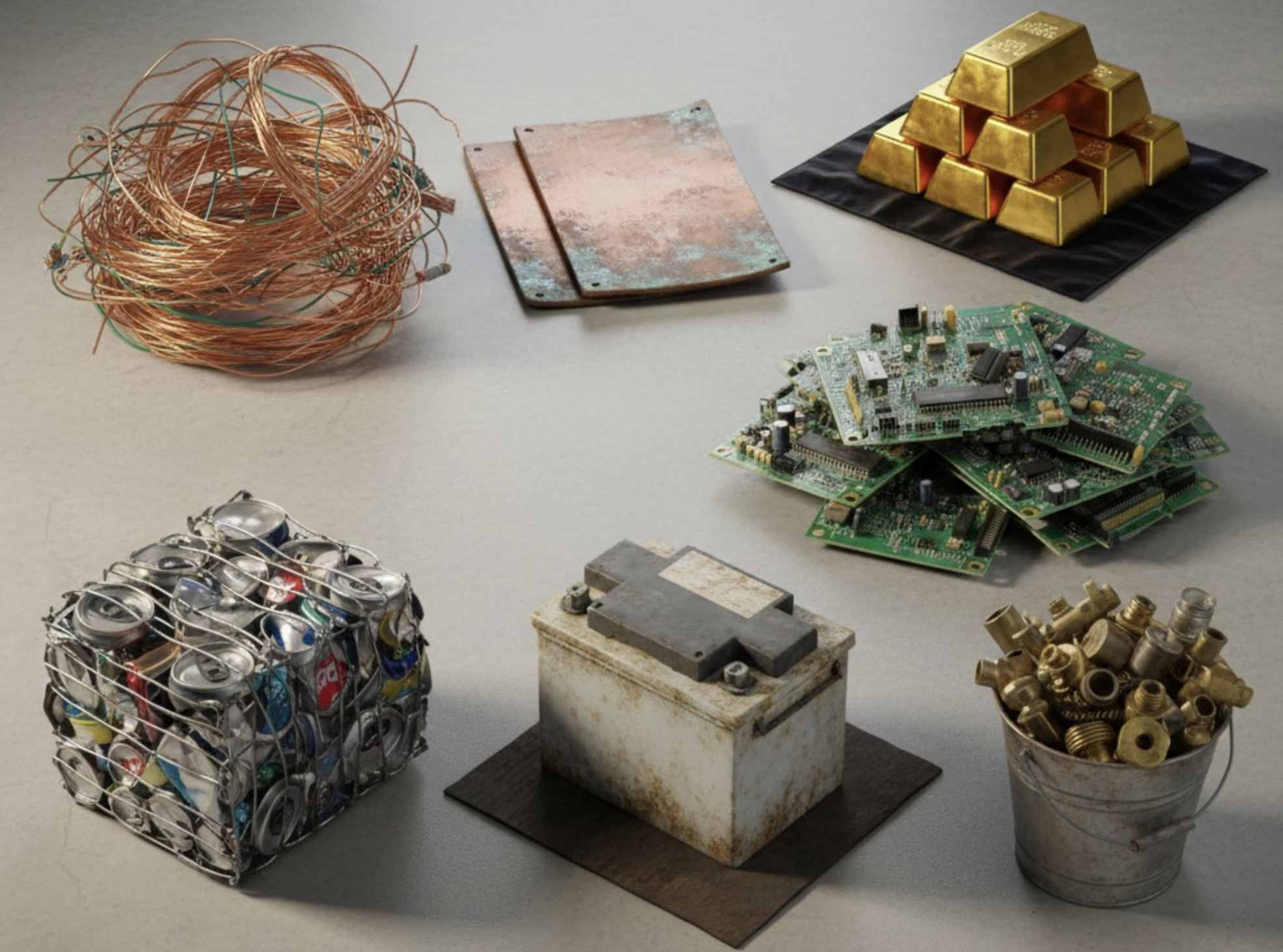
金属スクラップ(銅線・非鉄金属)
銅線、銅スクラップ、アルミなど高付加価値金属
海洋ごみ
漂着プラスチック、漁網、海洋由来廃棄物
プラスチック廃棄物
一般プラスチック、混合プラ、低品質プラスチック
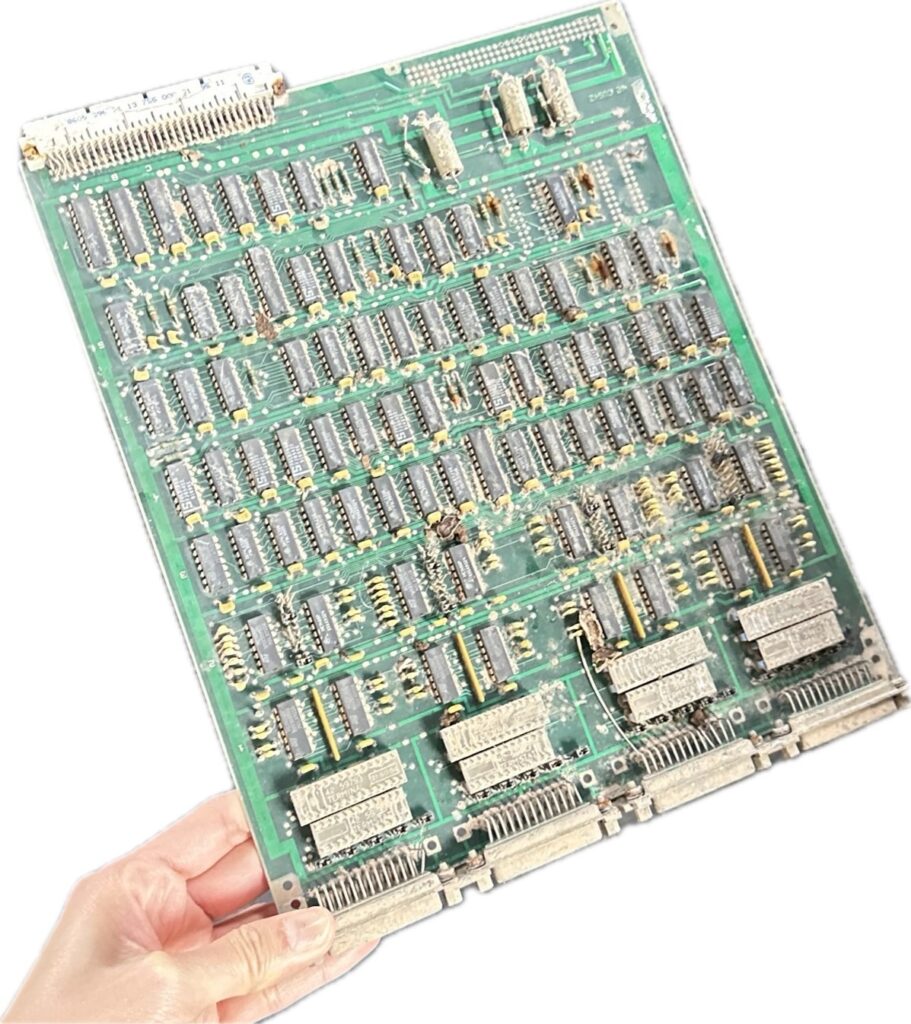
PCB(プリント基板)・電子廃棄物
電子基板、電子部品、貴金属含有スクラップ
English
Blue Earth’s recycling business focuses on the safe collection, management, and recovery of high-impact waste streams that require strict environmental control.
Main collected materials
Industrial waste
Combustible, non-combustible, and mixed waste from industrial activities
Medical waste (infectious waste)
Waste from hospitals, clinics, and laboratories with infection risks
Hazardous waste (waste batteries)
Used lead-acid, lithium-ion, and nickel-based batteries
Metal scrap (copper wire & non-ferrous metals)
Copper wire, copper scrap, aluminum, and other valuable metals
Marine waste
Marine plastic debris, abandoned fishing nets, and ocean waste
Plastic waste
General plastics, mixed plastics, and low-grade plastics
PCBs & e-waste
Printed circuit boards and electronic scrap containing precious metals
ภาษาไทย (Thai)
ธุรกิจรีไซเคิลของ Blue Earth มุ่งเน้นการ
เก็บรวบรวม จัดการ และนำของเสียที่มีความเสี่ยงสูงกลับมาใช้ประโยชน์อย่างปลอดภัย
ประเภทของของเสียที่เก็บรวบรวม
ขยะอุตสาหกรรม
ขยะจากกระบวนการผลิต ทั้งที่เผาได้และเผาไม่ได้
ขยะทางการแพทย์ (ขยะติดเชื้อ)
จากโรงพยาบาล คลินิก และห้องปฏิบัติการ
ขยะอันตราย (แบตเตอรี่ใช้แล้ว)
แบตเตอรี่ตะกั่ว ลิเธียม และนิกเกิล
เศษโลหะ (สายทองแดงและโลหะไม่ใช่เหล็ก)
สายทองแดง อะลูมิเนียม และโลหะมูลค่าสูง
ขยะทะเล
พลาสติกทะเล อวนประมง และขยะจากทะเล
ขยะพลาสติก
พลาสติกทั่วไป พลาสติกผสม และพลาสติกคุณภาพต่ำ
แผงวงจร (PCB) และขยะอิเล็กทรอนิกส์
แผงวงจรและเศษอิเล็กทรอนิกส์ที่มีโลหะมีค่า
② なぜこの収集・リサイクル事業を行うか(Reasons)
日本語
この事業の目的は、環境リスクの最小化と資源価値の最大化です。
不適正処理による 環境汚染・健康被害の防止
有害廃棄物・医療ごみの 安全管理
金属・エネルギー資源の 国内循環
海洋汚染・プラスチック問題への直接的対策
廃棄物処理を 収益型リサイクル事業へ転換
English
The purpose of this expanded recycling business is to minimize environmental risks while maximizing resource value.
Preventing environmental pollution and health hazards
Ensuring safe handling of hazardous and medical waste
Promoting domestic circulation of metals and energy resources
Directly addressing marine pollution and plastic waste issues
Transforming waste management into a profitable circular business
ภาษาไทย (Thai)
วัตถุประสงค์ของธุรกิจนี้คือ
ลดความเสี่ยงด้านสิ่งแวดล้อมและเพิ่มมูลค่าทรัพยากรให้สูงสุด
ป้องกันมลพิษและผลกระทบต่อสุขภาพ
จัดการขยะอันตรายและขยะทางการแพทย์อย่างปลอดภัย
ส่งเสริมการหมุนเวียนทรัพยากรโลหะและพลังงานในประเทศ
แก้ปัญหาขยะทะเลและพลาสติกอย่างเป็นรูปธรรม
เปลี่ยนการจัดการขยะให้เป็น ธุรกิจรีไซเคิลที่สร้างรายได้
③ ひとことで(One-line Message)
JP: 危険な廃棄物ほど、正しく管理すれば価値ある資源になる。
EN: High-risk waste becomes high-value resources when properly managed.
TH: ของเสียที่อันตรายสามารถกลายเป็นทรัพยากรที่มีมูลค่าได้ หากจัดการอย่างถูกต้อง
(Recycling Flow : Collection → Treatment → Resource Recovery)
Item-specific Recycling Flow
Battery / PCB / Medical Waste
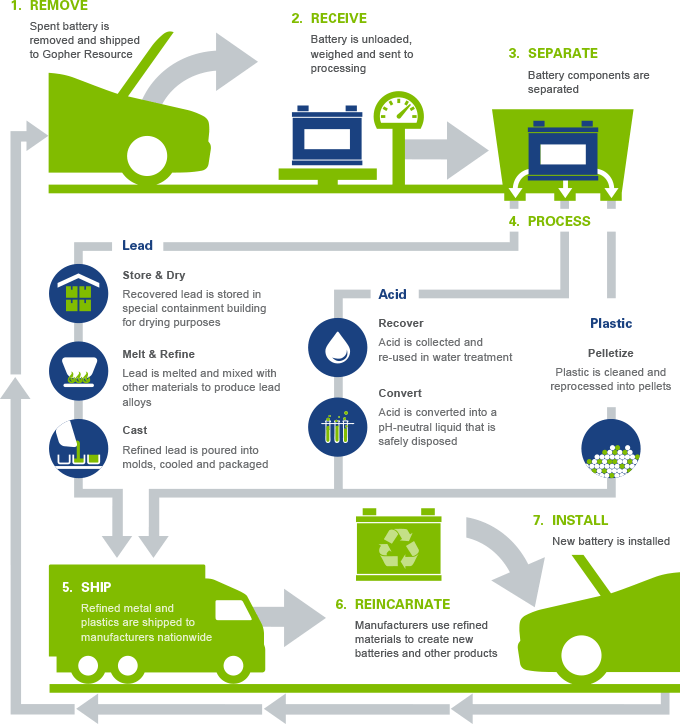
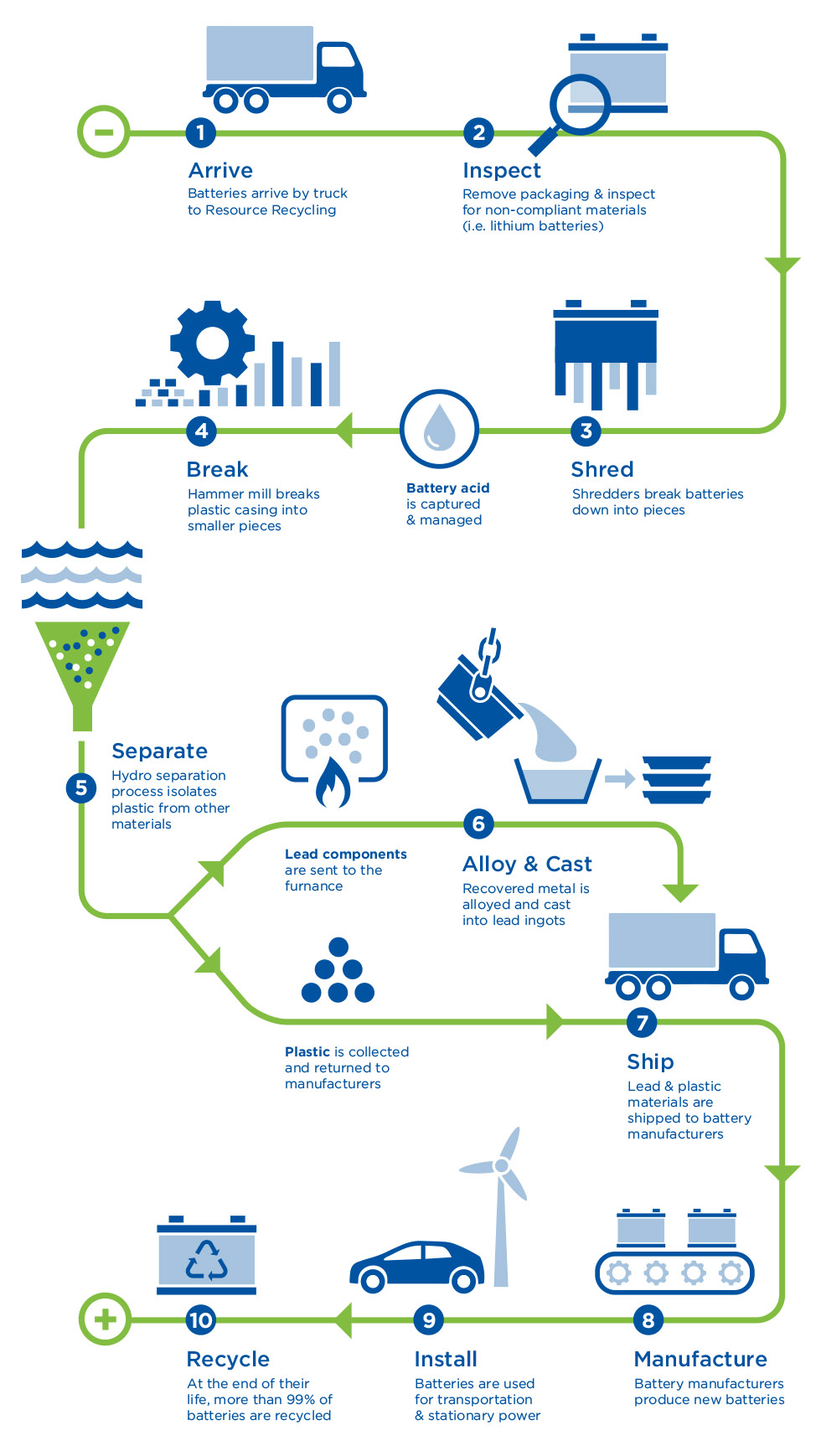
1. Waste Batteries Recycling Flow
กระบวนการรีไซเคิลแบตเตอรี่ใช้แล้ว
EN | Flow
Collection
→ Safe collection using certified containers
→ Identification (Lead-acid / Li-ion / Ni-based)
Pre-treatment
→ Discharging & neutralization
→ Dismantling and separation (plastic / metal / electrolyte)
Treatment
→ Crushing & material separation
→ Chemical / thermal processing (depending on battery type)
Resource Recovery
→ Recovery of lead, lithium, nickel, copper
→ Recycled plastic & electrolyte treatment
Utilization
→ Supply to smelters, battery manufacturers, resource markets
TH | กระบวนการ
การเก็บรวบรวม
→ เก็บรวบรวมด้วยภาชนะที่ได้รับการรับรอง
→ จำแนกประเภท (ตะกั่ว / ลิเธียม / นิกเกิล)
การเตรียมก่อนบำบัด
→ คายประจุและทำให้ปลอดภัย
→ ถอดแยกชิ้นส่วน (พลาสติก / โลหะ / อิเล็กโทรไลต์)
การบำบัด
→ บดและแยกวัสดุ
→ การบำบัดทางเคมีหรือความร้อน (ตามชนิดแบตเตอรี่)
การนำทรัพยากรกลับมาใช้ใหม่
→ กู้คืนตะกั่ว ลิเธียม นิกเกิล ทองแดง
→ พลาสติกรีไซเคิลและการจัดการสารเคมี
การนำไปใช้
→ โรงถลุง ผู้ผลิตแบตเตอรี่ และตลาดทรัพยากร
2. PCB / E-Waste Recycling Flow
กระบวนการรีไซเคิลแผงวงจร (PCB) และขยะอิเล็กทรอนิกส์
EN | Flow
Collection
→ Collection from factories, IT facilities, e-waste centers
Pre-treatment
→ Manual dismantling & sorting
→ Removal of hazardous components
Treatment
→ Shredding & physical separation
→ Thermal / hydrometallurgical pre-refining
Resource Recovery
→ Recovery of gold, copper, silver, palladium
→ Separation of resins and base materials
Utilization
→ Supply to precious metal refineries and electronics industry
TH | กระบวนการ
การเก็บรวบรวม
→ เก็บจากโรงงาน ศูนย์ IT และศูนย์ขยะอิเล็กทรอนิกส์
การเตรียมก่อนบำบัด
→ ถอดแยกด้วยมือและคัดแยก
→ แยกชิ้นส่วนที่เป็นอันตราย
การบำบัด
→ บดและแยกเชิงกายภาพ
→ การบำบัดความร้อนหรือเคมีเพื่อเตรียมถลุง
การนำทรัพยากรกลับมาใช้ใหม่
→ กู้คืนทองคำ ทองแดง เงิน พัลลาเดียม
→ แยกเรซินและวัสดุฐาน
การนำไปใช้
→ โรงถลุงโลหะมีค่าและอุตสาหกรรมอิเล็กทรอนิกส์
3. Medical Waste Recycling / Treatment Flow
กระบวนการจัดการและบำบัดขยะทางการแพทย์
EN | Flow
Collection
→ Segregated collection from hospitals and clinics
→ Sealed and labeled infectious waste containers
Pre-treatment
→ Risk assessment & tracking
→ Temporary controlled storage
Treatment
→ High-temperature incineration / sterilization
→ Detoxification and volume reduction
Resource / Safe Output
→ Energy recovery (WTE)
→ Inert ash for controlled disposal or reuse
Utilization
→ Electricity & heat supply to public facilities
→ Safe final disposal
TH | กระบวนการ
การเก็บรวบรวม
→ เก็บแยกจากโรงพยาบาลและคลินิก
→ ใช้ภาชนะปิดสนิทและติดฉลากขยะติดเชื้อ
การเตรียมก่อนบำบัด
→ ประเมินความเสี่ยงและติดตามข้อมูล
→ จัดเก็บชั่วคราวภายใต้การควบคุม
การบำบัด
→ การเผาที่อุณหภูมิสูงหรือการฆ่าเชื้อ
→ การทำให้ปลอดภัยและลดปริมาตร
ผลลัพธ์ที่ปลอดภัย / การใช้ประโยชน์
→ การกู้คืนพลังงาน (WTE)
→ เถ้าที่ปลอดภัยสำหรับกำจัดหรือใช้ซ้ำอย่างควบคุม
One-line Summary
TH: ของเสียแต่ละประเภทมีขั้นตอนเฉพาะ เพื่อความปลอดภัย การปฏิบัติตามกฎหมาย และการใช้ทรัพยากรอย่างคุ้มค่าสูงสุด
EN: Each waste stream follows a specialized flow to ensure safety, compliance, and maximum resource recovery.
Blue Earth リサイクル事業の
「Collection → Treatment → Resource Recovery」
Recycling Flow Diagram
Collection → Treatment → Resource Recovery
กระบวนการรีไซเคิล : การเก็บรวบรวม → การบำบัด → การนำทรัพยากรกลับมาใช้ใหม่
1. Collection(収集)
การเก็บรวบรวม (Collection)
EN:
Waste is collected safely using dedicated containers and controlled logistics systems, ensuring traceability and regulatory compliance.
TH:
มีการเก็บรวบรวมของเสียอย่างปลอดภัยโดยใช้ภาชนะเฉพาะและระบบขนส่งที่ควบคุมได้
เพื่อให้สามารถตรวจสอบย้อนกลับและปฏิบัติตามกฎหมายสิ่งแวดล้อม
Collected Materials / ประเภทของของเสีย
Industrial waste
Medical waste (infectious waste)
Hazardous waste (waste batteries)
Copper wire & non-ferrous metals
Marine waste
Plastic waste
PCBs & electronic waste
⬇️
2. Sorting & Pre-treatment(分別・前処理)
การคัดแยกและการเตรียมก่อนบำบัด
EN:
Collected waste is inspected, weighed, and sorted by type and risk level, followed by dismantling, shredding, and separation.
TH:
ของเสียที่เก็บรวบรวมจะถูกตรวจสอบ ชั่งน้ำหนัก และคัดแยกตามประเภทและระดับความเสี่ยง
จากนั้นทำการถอดแยก ย่อย และจัดกลุ่มเพื่อเตรียมเข้าสู่กระบวนการบำบัด
⬇️
(Processing routes are determined at this stage / กำหนดเส้นทางการบำบัดในขั้นตอนนี้)
3. Treatment(処理)
การบำบัด (Treatment)
A. Medical & Hazardous Waste
ขยะทางการแพทย์และขยะอันตราย
EN:
High-temperature treatment and detoxification
Safe discharge and dismantling of waste batteries
Containment and separation of hazardous substances
TH:
การบำบัดด้วยอุณหภูมิสูงและการทำให้ปลอดภัย
การคายประจุและถอดแยกแบตเตอรี่ใช้แล้วอย่างปลอดภัย
การแยกและควบคุมสารอันตราย
B. Plastic & Mixed Waste
ขยะพลาสติกและขยะผสม
EN:
Drying and sorting
Pyrolysis (plastic-to-oil conversion)
TH:
การทำให้แห้งและคัดแยก
การแปรรูปด้วยเทคโนโลยีไพโรไลซิส (พลาสติก → น้ำมัน)
C. Metals & PCBs
โลหะและแผงวงจร (PCB)
EN:
Dismantling and separation
Pre-refining processes such as crushing and concentration
TH:
การถอดแยกและคัดเลือก
การบดและการเพิ่มความเข้มข้นก่อนการถลุง
⬇️
4. Resource Recovery(再資源化)
การนำทรัพยรกลับมาใช้ใหม่ (Resource Recovery)
Energy Recovery / พลังงาน
EN:
Waste-to-Energy (electricity & heat)
Recovered oil from pyrolysis
Power generation using by-product gas
TH:
การผลิตไฟฟ้าและความร้อนจากขยะ (WTE)
น้ำมันรีไซเคิลจากไพโรไลซิส
การผลิตไฟฟ้าจากก๊าซผลพลอยได้
Material Recovery / วัสดุ
EN:
Gold, copper, aluminum recovery
Carbon black and recycled carbon materials
Recycled plastic feedstock
TH:
การกู้คืนทองคำ ทองแดง และอะลูมิเนียม
คาร์บอนแบล็คและวัสดุคาร์บอนรีไซเคิล
วัตถุดิบพลาสติกรีไซเคิล
Environmental & Agricultural Materials / สิ่งแวดล้อมและเกษตร
EN:
Carbon materials for water, air, and soil purification
Reclaimed water
Fertilizer and soil conditioning materials
TH:
วัสดุคาร์บอนสำหรับบำบัดน้ำ อากาศ และดิน
น้ำรีไซเคิล
ปุ๋ยและวัสดุปรับปรุงดิน
⬇️
5. Utilization & Market Deployment
การใช้งานและการพัฒนาตลาด
EN:
Recovered resources are supplied to municipalities, industries, agriculture (AGRO), domestic and international markets, and ESG-based financial schemes.
TH:
ทรัพยากรที่นำกลับมาใช้ใหม่จะถูกส่งต่อให้
หน่วยงานรัฐ ภาคอุตสาหกรรม ภาคเกษตร (AGRO)
รวมถึงตลาดในประเทศและต่างประเทศ และโครงการทางการเงินแบบ ESG
6. Digital Governance (Across All Stages)
การบริหารจัดการดิจิทัล (ทุกขั้นตอน)
EN:
Full traceability from collection to recovery
Automated reporting for authorities
CO₂ reduction calculation and ESG compliance
TH:
ระบบตรวจสอบย้อนกลับตั้งแต่การเก็บรวบรวมจนถึงการรีไซเคิล
รายงานอัตโนมัติสำหรับหน่วยงานรัฐ
การคำนวณการลด CO₂ และการปฏิบัติตามมาตรฐาน ESG
One-line Flow Summary
EN: Waste → Safe Collection → Treatment → Resource Recovery → Energy, Materials & Market
TH: ของเสีย → เก็บรวบรวมอย่างปลอดภัย → บำบัด → นำทรัพยากรกลับมาใช้ → พลังงาน วัสดุ และตลาด